Bureau Passport
By Karen Thornalley · 28 September 2026 · 7 min read
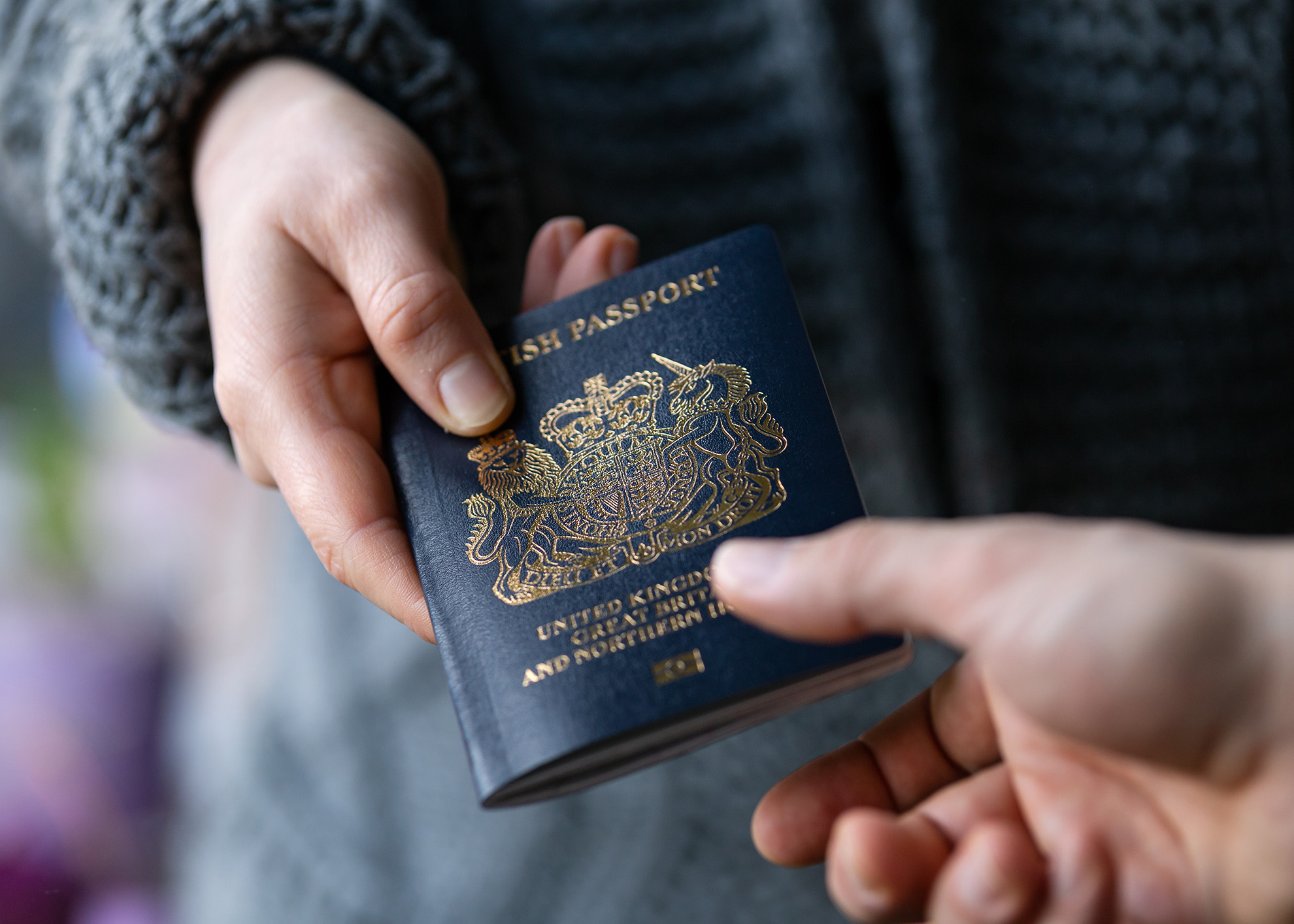
What Is the Bureau de Passeport and Why Does It Matter to You?
The Bureau de Passeport, formally known as the Passport and Immigration Office Mauritius, is the government authority responsible for issuing Mauritian passports, processing residence permits, and managing immigration matters on the island. If you are moving from the UK to Mauritius, or applying for an Occupation Permit, this is the office you will eventually deal with in person or through an agent. Understanding how it works, and what sits around it in terms of banking, permits, and logistics, saves you a great deal of time and frustration.
The Passport and Immigration Office is located in Port Louis. Walk-in appointments and online pre-registration are both available, though availability changes and it is worth checking the official government portal before you travel to the office. For British nationals applying for long-stay status, the office works in conjunction with the Economic Development Board (EDB), which handles Occupation Permits and the Premium Visa.
Residence and Work: What the Permits Actually Look Like
Before you can register with any government office in Mauritius as a long-term resident, you need the right permit in place. There are three main routes for British adults.
Occupation Permit: Investor
If you are setting up a business, the Investor Occupation Permit requires a minimum initial investment of USD 100,000. This is not a deposit or a bond. It is genuine business capital introduced into a Mauritian company. The permit is valid for ten years and is renewable. Your spouse and dependants can be included.
Occupation Permit: Professional
If you have been offered employment by a Mauritian company, the Professional Occupation Permit applies. The minimum monthly salary is MUR 50,000, harmonised across all sectors. This figure is set by the EDB and is subject to change, so always confirm the current threshold directly with the EDB before accepting a job offer based on it.
Residence Through Property
Purchasing a qualifying property through an approved scheme (PDS or Smart City) at a minimum of USD 375,000 grants you the right to apply for residence. This is a popular route for British families who want to settle without running a business or taking local employment. The property itself must be part of an officially approved development.
For all permit types, the EDB is the first port of call. The Passport and Immigration Office Mauritius then handles the physical permit card and any subsequent renewals or amendments.
Mauritius Work Opportunities: What British Professionals Actually Find
Mauritius work opportunities are real but specific. The sectors that most commonly recruit internationally include financial services, information and communication technology, hospitality management, and professional services such as law, accountancy, and engineering. The island has a relatively small domestic labour market, which means senior and specialist roles are more accessible to foreign professionals than entry-level positions.
One practical consideration: the MUR 50,000 monthly salary threshold for a Professional Occupation Permit means that roles paying below that level will not qualify, regardless of the industry. If you are exploring mauritius work opportunities, focus your search on sectors where international expertise is genuinely valued and where salaries reflect that.
Banking in Mauritius: Getting MCB Set Up
Once your permit is in order, opening a bank account is one of the first practical steps. Mauritius Commercial Bank (MCB Mauritius) is the largest commercial bank on the island and the one most British residents end up using, at least initially. MCB internet banking is well-regarded and covers the day-to-day transactions you would expect: bill payments, transfers, account management, and foreign currency conversions.
How to Open an MCB Account
You will typically need your passport, your Occupation Permit or residence certificate, proof of address (a utility bill or a letter from your landlord), and in some cases a reference letter. The process has become more straightforward in recent years, though anti-money-laundering checks mean the bank will ask questions about the source of your funds. Answer these fully and honestly; delays almost always come from incomplete documentation rather than the bank being obstructive.
Internet Banking MCB Mauritius: What It Covers
Internet banking MCB Mauritius allows you to manage accounts in both Mauritian rupees and foreign currencies, which is genuinely useful when you are still receiving income or pension payments in sterling. The mobile app works reliably and covers most of what you need without visiting a branch. For larger transactions or currency conversions, a call to your relationship manager is often quicker than navigating the online interface.
Other banks worth knowing about include Absa Bank Mauritius, Bank One, and SBM (State Bank of Mauritius). Each has slightly different fee structures and service levels, and it is worth comparing before committing.
Tax in Mauritius: The Honest Picture
Mauritius is often described as a low-tax environment, and for many people it genuinely is. But the personal income tax system is progressive, not a single flat rate. From 1 July 2026, the structure is:
- 0% on the first MUR 500,000 of annual income
- 10% on income between MUR 500,001 and MUR 1,000,000
- 20% on income between MUR 1,000,001 and MUR 12,000,000
- 35% on income above MUR 12,000,000
You may have read that Mauritius has a flat 15% income tax rate. That figure is outdated and no longer accurate for personal income tax. VAT and corporate tax are separately set at 15%, but personal income tax is a progressive scale as above.
There is no capital gains tax and no inheritance or estate tax in Mauritius, which remains a significant financial consideration for families planning long-term wealth management.
Always confirm current rates and thresholds with the Mauritius Revenue Authority (MRA) before making financial decisions based on tax assumptions.
Getting Your Belongings There: Removals from the UK to Mauritius
Once the paperwork is in hand, the practical question of moving your belongings comes into focus. Removals from UK to Mauritius typically take between four and eight weeks by sea freight, depending on the shipping route and the time of year. The distance is roughly 10,000 kilometres, so planning well ahead of your departure date is essential.
Part Load Removals to Mauritius
If you are not filling a full container, part load removals to Mauritius (also called groupage or LCL shipping) are a cost-effective option. Your belongings share container space with other consignments, which reduces the cost significantly but can add a few weeks to the transit time as the container consolidates at the port of origin. For a couple moving without a full household of furniture, part load removals to Mauritius often make more financial sense than paying for space you do not need.
When choosing a removal company, look for membership of the British Association of Removers (BAR) or the International Association of Movers (IAM), and ask specifically about their experience with Mauritius customs clearance. Customs documentation requirements are specific, and an experienced company will know exactly what the Mauritius Revenue Authority expects on import.
Bringing It Together: The Sequence That Works
For most British families, the practical sequence looks something like this:
- Confirm your route to residence (permit type or property purchase) and apply through the EDB.
- Once your permit is approved, register with the Passport and Immigration Office Mauritius for your physical residence card.
- Open your MCB or other bank account using your permit documentation.
- Set up MCB internet banking and link any UK accounts you are maintaining in parallel.
- Engage a removal company for removals from UK to Mauritius, or explore part load removals to Mauritius if you are travelling light.
- Register with the Mauritius Revenue Authority if you will be earning income locally.
The steps are logical. The paperwork is manageable. What catches people out is trying to do things in the wrong order, particularly attempting to open a bank account before the permit is confirmed, or booking removals before customs documentation is clear.
Frequently asked questions
What is the Bureau de Passeport in Mauritius?+
The Bureau de Passeport, also called the Passport and Immigration Office Mauritius, is the government authority that issues Mauritian passports, processes residence permits, and manages immigration matters. It is located in Port Louis and works alongside the Economic Development Board for long-stay and work permit applications.
How do I open an MCB Mauritius bank account as a British resident?+
You will need your passport, your Occupation Permit or residence certificate, proof of address, and sometimes a source-of-funds reference. MCB internet banking is available once the account is active and supports both Mauritian rupee and foreign currency accounts.
What is the minimum salary for a Professional Occupation Permit in Mauritius?+
The minimum monthly salary for a Professional Occupation Permit is MUR 50,000, harmonised across all sectors. This threshold is set by the Economic Development Board and should be confirmed directly with the EDB before accepting a job offer.
Is personal income tax in Mauritius really a flat rate?+
No. Personal income tax in Mauritius is progressive. From 1 July 2026, the rates are 0% on the first MUR 500,000, 10% up to MUR 1,000,000, 20% up to MUR 12,000,000, and 35% above that. The often-cited flat 15% rate is outdated for personal income tax, though VAT and corporate tax are separately set at 15%.
How long do removals from the UK to Mauritius take?+
Sea freight removals from the UK to Mauritius typically take four to eight weeks depending on the shipping route and time of year. Part load (groupage) shipments may take slightly longer as the container consolidates at the port of origin.
What is the minimum property investment for residence in Mauritius?+
Purchasing a qualifying property through an approved scheme such as PDS or Smart City at a minimum of USD 375,000 entitles you to apply for residence in Mauritius. The property must be part of an officially approved development.
Are there capital gains or inheritance taxes in Mauritius?+
No. Mauritius does not levy capital gains tax or inheritance and estate tax. Always confirm the current position with the Mauritius Revenue Authority as tax rules can change.
Thinking about your own move?
I'm always happy to answer a question, no strings attached.