
Electricity and Utilities in Mauritius
By Karen Thornalley · 20 October 2026 · 11 min read
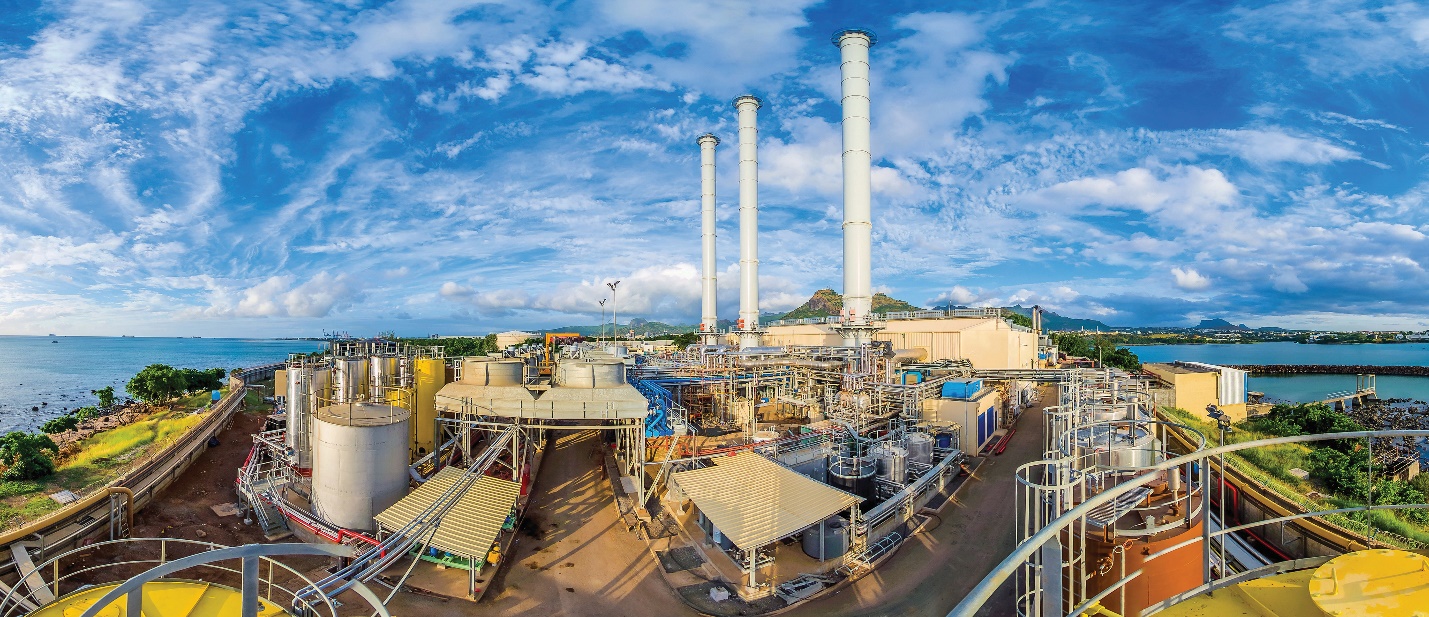
What You Actually Need to Know About Mauritius Utilities and Electricity
Electricity in Mauritius is supplied by a single national provider, the Central Electricity Board (CEB), which generates, transmits and distributes power across the main island. Most residential properties run on a 230V, 50Hz supply, the same standard as the UK, so your British appliances will work without adaptors or transformers. Setting up an account is straightforward, costs are moderate by European standards, and the grid is reasonably reliable, though short outages do happen, especially during cyclone season. Here is everything you need to know before you arrive.
The Central Electricity Board: Mauritius's Only Grid Provider
The CEB is a state-owned body and the sole entity responsible for electricity distribution on the main island of Mauritius. There is no competitive retail market as you might find in the UK, so there is no comparison shopping between suppliers. You register with the CEB, you pay the CEB, and that is that.
For properties on Rodrigues, the Rodrigues Regional Assembly manages its own electricity supply separately through the Rodrigues Electricity Services.
The CEB has a network of customer service centres around the island, and most routine tasks (new connections, billing queries, meter readings) can be handled either in person at a regional office or increasingly through their online portal.
How to Set Up an Electricity Account in Mauritius
If You Are Renting
In most rental situations, the account is already registered in the landlord's name and you simply pay your share of the bill directly to them, or it is included in your rent. Before you sign any lease, clarify in writing:
- Whether electricity is included in the rent or billed separately
- Who holds the CEB account
- How meter readings are taken and how the bill is split if you share the property
If you are renting a standalone villa or apartment and the landlord agrees to transfer the account into your name, you will need to visit a CEB customer service centre with your National Identity Card or passport, your lease agreement, and the property's meter number.
If You Are Buying Property
When you purchase a property, the seller's account needs to be closed and a new one opened in your name. Your notary or property agent will usually flag this as part of the handover process. You will need to provide proof of ownership (the deed of sale), your identification, and the meter reference number. There is a small connection or transfer fee, though the exact amount is worth confirming directly with the CEB at the time, as administrative charges are updated periodically.
Deposits
The CEB typically requires a security deposit when opening a new residential account. The deposit amount is based on your estimated consumption and the tariff category applied to your property. You will get this back when you close the account, provided there are no outstanding balances.
Electricity Tariffs and What You Can Expect to Pay
How the Tariff Structure Works
The CEB uses a tiered (block) tariff system for domestic consumers. The more electricity you use, the higher the unit rate applied to the upper bands of consumption. This is designed to subsidise lower-income households who use less power and to discourage excessive consumption.
As a rough guide, the first block of units each month is charged at the lowest rate, and the rate steps up progressively as you move into higher consumption bands. The exact rates per kilowatt-hour (kWh) are set by the Utility Regulatory Authority (URA) and are reviewed periodically, so rather than quoting a specific figure that may already be out of date, check the current domestic tariff schedule directly on the CEB website or at any CEB office before you budget.
What Does a Typical Monthly Bill Look Like?
For a two or three-bedroom apartment with a couple living in it, running air conditioning moderately, a fridge, washing machine, and standard lighting, a monthly bill somewhere in the range of MUR 1,500 to MUR 4,000 is a reasonable working expectation, though it can go higher if you run multiple air conditioning units continuously or have a large pool pump. A standalone villa with heavy air conditioning use and a pool can push bills considerably higher.
Compared with UK electricity costs, Mauritius is generally cheaper in absolute terms, though Mauritian wages are also lower, so the relative cost is different for locals than for someone receiving a UK pension or salary in sterling.
The Fuel Adjustment Factor
One thing that catches people out is the Fuel Adjustment Factor (FAF), a variable charge added to electricity bills that reflects changes in the cost of fuel used to generate power. Because Mauritius imports most of its fuel, global oil and coal prices feed directly into this charge. Your bill will show the FAF as a separate line item, and it can fluctuate meaningfully from quarter to quarter. It is worth understanding this when you budget, rather than assuming your first bill is representative of every future one.
Reliability: Outages, Cyclones and What to Expect
Day-to-Day Reliability
For most of the year, the electricity supply in Mauritius is reasonably stable. Brief outages of a few minutes to a couple of hours do occur, sometimes due to maintenance, sometimes due to localised faults. In urban and suburban areas these are generally infrequent enough not to be a serious disruption.
Cyclone Season
The cyclone season runs roughly from November to April. During a significant cyclone, extended power cuts are common, sometimes lasting from several hours to a few days in the worst-affected areas. The CEB works quickly to restore supply after storms, but if you are in a more remote or rural location, restoration can take longer.
Practical steps families take include:
- Keeping a supply of charged power banks for phones and devices
- Having LED lanterns or torches with fresh batteries before the season starts
- If you rely on an electric water pump, understanding how long your storage tank will last
- Considering a small inverter or UPS (uninterruptible power supply) for critical equipment like a router or medical device
For larger properties or those who work from home and cannot afford downtime, a petrol or diesel generator is a common investment. Many villas in Mauritius already have one fitted.
Planned Outages
The CEB does carry out planned maintenance and will usually notify affected areas in advance, sometimes through local press or SMS if you have registered your contact details. It is worth doing this when you open your account.
Solar Energy in Mauritius
Mauritius has strong solar irradiation for most of the year, and rooftop solar panels are increasingly common, both for standalone systems and under the CEB's net metering scheme. Under net metering, you can install solar panels, feed surplus electricity back into the grid, and receive a credit on your bill for what you export.
If you are buying a property and considering solar, it is worth checking whether the scheme or building you are buying into permits panel installation. Some managed estates or apartments in PDS or Smart City developments have specific rules about roof modifications. Your conveyancer or the development management company can clarify this before you commit.
The upfront cost of a residential solar installation in Mauritius varies depending on system size, but the payback period is generally considered attractive given the consistent sunshine and the cost of grid electricity.
Water Supply in Mauritius
Water is supplied by the Central Water Authority (CWA) for most of the main island. As with electricity, there is no competitive market: you register with the CWA and pay their tariffs.
Water Reliability
This is probably the utility that surprises British arrivals most. Water cuts, sometimes called water rationing, are a real feature of life in Mauritius, particularly in drier months or during periods of low rainfall. Some areas of the island experience scheduled intermittent supply, meaning water may only flow during certain hours of the day or on certain days of the week.
Most properties compensate for this with storage tanks. If you are renting or buying, check:
- Whether the property has a storage tank and what its capacity is
- Whether there is a pump to pressurise the supply from the tank
- How often the area typically experiences rationing
In many modern developments and villas, a tank and pump system is standard, and day-to-day life feels normal because the tank buffers any supply interruption. In older or more basic properties, you may notice the gaps more.
Water Quality
Mains water in Mauritius is treated and technically potable, but most residents, both local and foreign-born, use filtered water or bottled water for drinking and cooking. Water filter systems fitted under the kitchen sink are common and inexpensive. Tap water is generally fine for washing, bathing, and cooking where you are boiling the water anyway.
Setting Up a Water Account
The process is similar to electricity. For rentals, clarify with your landlord whether the account stays in their name or transfers. For property purchases, the CWA account transfer is part of the handover process. You will need identification and proof of ownership or tenancy.
Internet and Telecommunications
Broadband internet in Mauritius has improved significantly. Fibre connections are available across much of the main island, with the main providers being Emtel, My.T (operated by Mauritius Telecom) and Chilli (also part of the Mauritius Telecom group). Speeds and reliability vary by area, but a fibre connection in a suburban or urban location will typically support video calls, streaming and remote working without difficulty.
For mobile, Mauritius has three main operators: Emtel, My.T Mobile and MTML. Coverage is good across the main island. SIM cards are available without a contract for short stays, and monthly plans are reasonably priced.
When you are viewing a property, it is worth asking specifically about the internet infrastructure available at that address, particularly if you work remotely. Some rural or coastal areas are served by wireless broadband rather than fibre, which can affect speeds.
Waste Collection and Other Services
Household waste collection is managed by local municipalities and district councils rather than a single national body. Collection frequency and reliability vary by area. Most urban and suburban areas have regular collections, though the service is not always as consistent as you might be used to in the UK.
Recycling infrastructure is less developed than in the UK. Some municipalities have collection points for specific materials, and a number of private initiatives have emerged, but do not expect a kerbside recycling service equivalent to what you left behind.
Gas for cooking is typically supplied via bottled LPG (liquefied petroleum gas) rather than a mains gas network. There is no piped gas network in Mauritius. Gas bottles are available from supermarkets and local suppliers and exchanged when empty. This is entirely normal and most households manage it without difficulty.
Practical Tips Before You Move In
- Ask about all utilities before you sign anything. For rentals especially, get clarity in writing on what is included, what is billed separately, and who holds each account.
- Budget for the Fuel Adjustment Factor. Your electricity bill will have a variable component tied to global fuel prices. Build in a buffer.
- Check the water tank situation. A property without adequate storage will cause you frustration during dry periods or rationing.
- Register your contact details with the CEB. This means you can receive advance notice of planned outages.
- Consider a generator or UPS for cyclone season if you work from home or have equipment that cannot tolerate outages.
- Get a water filter fitted early. It is a small cost and you will use it every day.
- Ask about internet specifically at the property address, not just the general area.
Setting up utilities in Mauritius is not complicated, but it does work differently from the UK in a few ways that are worth understanding before you arrive rather than discovering mid-move. The single-provider model for electricity and water means less choice but also less admin. The main adjustments are around water reliability and cyclone preparedness, both of which are entirely manageable once you know what to expect.
Frequently asked questions
Who supplies electricity in Mauritius?+
Electricity in Mauritius is supplied exclusively by the Central Electricity Board (CEB), a state-owned body. There is no competitive retail market, so all residential customers register with and pay the CEB directly.
Is the electricity in Mauritius compatible with UK appliances?+
Yes. Mauritius uses a 230V, 50Hz supply, the same standard as the United Kingdom, so British appliances work without adaptors or voltage converters.
How do I set up an electricity account in Mauritius?+
Visit a CEB customer service centre with your passport or National Identity Card, your lease agreement or property deed, and the meter reference number for the property. A security deposit is usually required when opening a new account.
How much does electricity cost in Mauritius?+
The CEB uses a tiered tariff where higher consumption attracts a higher unit rate. Bills also include a variable Fuel Adjustment Factor linked to global fuel prices. A moderate two-bedroom household can expect a monthly bill roughly in the range of MUR 1,500 to MUR 4,000, though heavy air conditioning use or a pool pump will push this higher. Check the current tariff schedule on the CEB website for exact rates.
Are power cuts common in Mauritius?+
Brief outages occur occasionally throughout the year. During cyclone season (roughly November to April), extended cuts lasting several hours or longer are possible after significant storms. Most households manage this with storage tanks, power banks, and in some cases a generator.
Is tap water safe to drink in Mauritius?+
Mains water is treated and technically potable, but most residents use a water filter or bottled water for drinking and cooking. Tap water is generally used for washing, bathing, and cooking where water is boiled.
Does Mauritius have mains gas?+
No. There is no piped gas network in Mauritius. Households use bottled LPG (liquefied petroleum gas) for cooking, which is exchanged at supermarkets and local suppliers when empty.
Can I install solar panels on my property in Mauritius?+
Yes. The CEB operates a net metering scheme that allows residential solar panel owners to export surplus electricity to the grid and receive a bill credit. If you are in a managed development, check the development's rules on roof modifications before installing.
Is water supply reliable in Mauritius?+
Water rationing and intermittent supply are a real feature of life in Mauritius, particularly during drier periods. Most properties have storage tanks to buffer interruptions. Always check the tank capacity and pump setup before renting or buying.
Which internet providers operate in Mauritius?+
The main broadband providers are Emtel, My.T (Mauritius Telecom) and Chilli. Fibre connections are available across much of the main island. For mobile, the three operators are Emtel, My.T Mobile and MTML.
Enjoyed this article?
Get new guides and practical relocation news from Move to Mauritius in your inbox.
Thinking about your own move?
I'm always happy to answer a question, no strings attached.